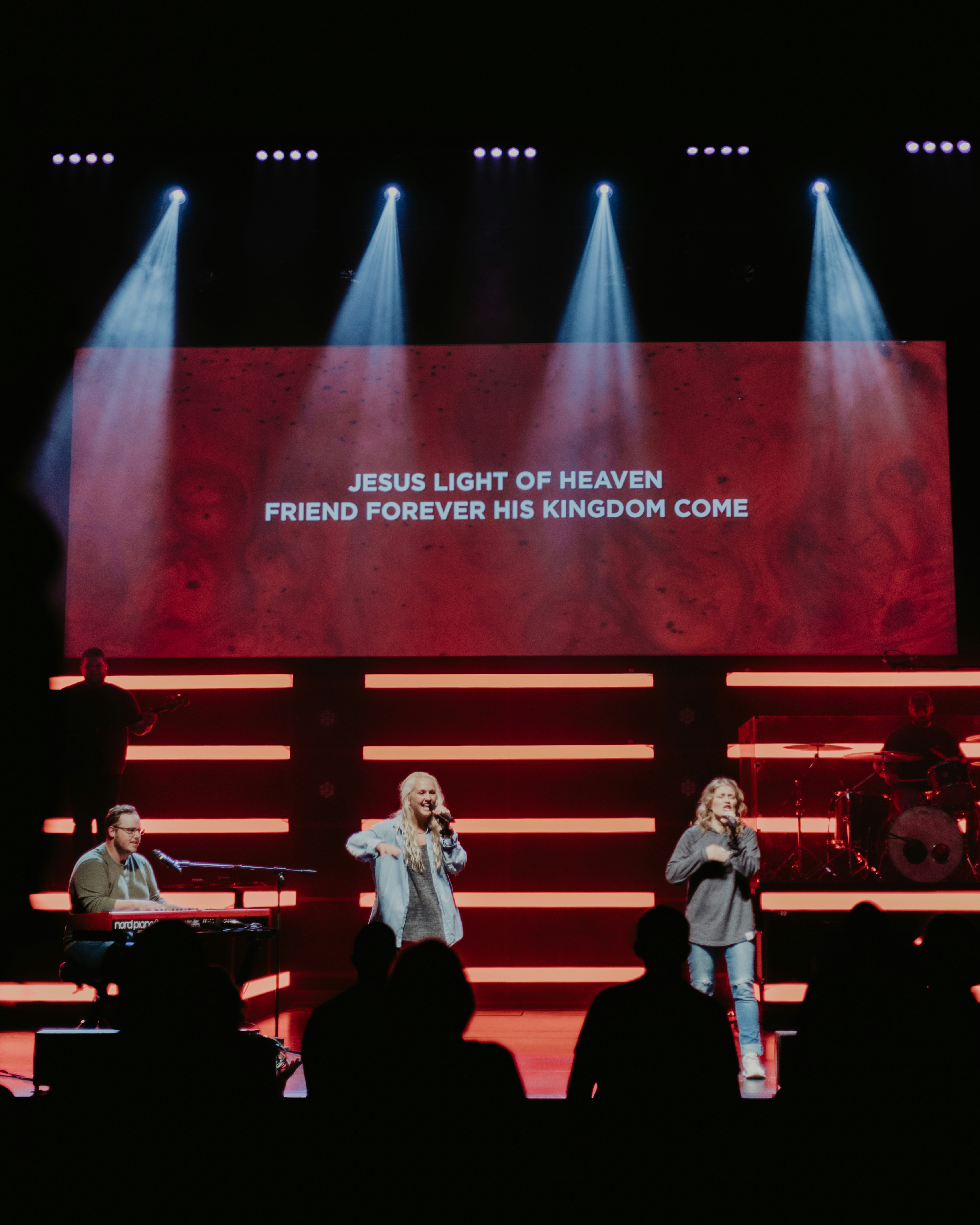
The Current Landscape of Worship Music
The worship music industry has undergone significant transformation in recent years, becoming a focal point for both congregational engagement and public scrutiny. Prominent artists like Michael Tate and Brandon Lake have found themselves enveloped in controversies that have not only affected their careers but also raised critical questions about the authenticity and integrity of contemporary worship music. Such incidents reveal the complexities behind the creation and performance of music that is meant to foster spiritual connection within church communities.
Michael Tate, once heralded for his contributions to worship music, faced backlash when concerns arose regarding his personal conduct, leading to a reevaluation of his role as a spiritual leader. Similarly, Brandon Lake’s involvement in contentious discussions surrounding doctrinal beliefs has led many to question the alignment between an artist’s life and the messages conveyed through their music. These controversies, while deeply personal for the individuals involved, resonate beyond individual artists and highlight a broader issue pertaining to the thresholds of acceptability in worship music.
Church congregations and leaders are now prompted to engage in critical discussions about what constitutes fitting worship music. As congregants look for artists who not only produce sonorous worship tunes but also exemplify a life of integrity and spiritual authenticity, the lines of acceptable worship music are being redrawn. This evolution poses challenges for both artists and church leaders, who must balance artistic expression with theological integrity.
Furthermore, these controversies have emphasized the necessity for transparency and accountability within the worship music community. As audiences increasingly seek authenticity in worship, the demand for music that resonates with both the heart and the mind becomes paramount. This shift calls for a reflection on the values and principles of worship music, urging both artists and congregants to navigate these complexities thoughtfully and intentionally.
The Shift in Worship Music Preferences
In recent years, the landscape of worship music has undergone a significant transformation, reflecting both cultural shifts and theological discussions within church communities. Many congregations are now actively reevaluating their music selections due to various controversies surrounding certain songs, including those rich in ‘Christianese’ language. Brandon Lake, a contemporary worship artist, has articulated concerns regarding the use of jargon that may not resonate with every worshipper, advocating for a more inclusive approach. This perspective encourages churches to consider music that speaks clearly and connects more authentically with their congregations.
The push for clearer communication in worship music has led churches to look beyond popular contemporary Christian songs. Instead, there is a growing interest in hymns and compositions from artists like The Gettys and Shane and Shane, who are recognized for their commitment to biblical integrity. Their work not only reflects a rich theological foundation but also promotes a style of worship that prioritizes clarity and depth over trendiness. This new direction suggests a desire for songs that facilitate congregational engagement and encourage deeper spiritual reflection.
This shift in preferences is more than a mere trend; it signifies a broader conversation about authenticity in worship. As congregations seek to reclaim the essence of what it means to worship together, the focus is increasingly on selecting music that upholds scriptural truths and fosters genuine connection with God. By discerning the criteria for worship music, churches can create an atmosphere that cultivates spiritual growth and aligns with their core beliefs while navigating the complexities of contemporary culture.
Radical Ideas: Exploring Alternative Worship Models
As the landscape of worship music continues to evolve, church leaders are contemplating radical ideas aimed at fostering a more authentic worship experience. Among these concepts are proposals to solely sing hymns, adopt an a cappella format, or eliminate worship teams entirely in favor of a more streamlined approach. Each of these alternative models carries its own unique set of benefits and challenges that merit careful consideration.
One of the most significant proposals is the transition towards exclusively singing hymns. Proponents argue that hymns contain deep theological truths and historical richness that modern worship songs may lack. By focusing on hymns, congregations can reconnect with their spiritual heritage, enhancing theological education through the lyrics. However, there is a downside; hymn-based worship may disengage younger congregants who may find traditional hymns less relatable or compelling.
Another radical approach is the adoption of an a cappella format, where music is performed without instrumental accompaniment. This model encourages vocal participation and places an emphasis on congregational unity. Singing without instruments can foster a sense of intimacy, allowing worshippers to connect more profoundly with the lyrics and melody. Nevertheless, it poses challenges in terms of musical complexity and may require training for congregational members to ensure harmonious participation.
Eliminating worship teams altogether is another option being considered. By simplifying the musical aspect of worship, churches could create an environment where all members feel empowered to contribute. This could lead to increased engagement, as individuals may feel more connected when participating in a collective musical expression. However, moving away from skilled musicians could result in a decrease in musical quality and variety, which might deter some worshippers.
Ultimately, these radical ideas represent a significant departure from conventional worship models. By exploring such alternatives, church communities have an opportunity to foster deeper connections with their traditions and one another, promoting a more meaningful worship experience that resonates with diverse congregational preferences.
Supporting Articles and Perspectives
In exploring the evolving landscape of worship music, it is crucial to engage with a variety of perspectives and scholarly discourse. Numerous articles and resources delve into the complexities surrounding modern worship music, traditional hymns, and alternative worship styles. For readers seeking to expand their understanding, several key references provide insight and context to the discussion.
One significant resource is the article “The Tension Between Tradition and Innovation in Worship Music,” published in the Journal of Church Music. This scholarly piece analyzes how modern worship practices both embrace and challenge established traditions, presenting a balanced view on the merits and pitfalls of contemporary worship music. It highlights the importance of authenticity and congregation engagement in worship settings.
Additionally, the blog post “Why Traditional Hymns Still Matter,” featured on the Worship Leader Magazine website, advocates for a return to hymns within church services. This perspective argues that hymns provide theological depth and community history that many modern worship songs may lack. It encourages congregations to incorporate a diverse musical repertoire into their worship programming, fostering a richer experience for attendees.
For those interested in alternative worship styles, an insightful opinion piece titled “A New Rhythm of Worship: Exploring Alternative Styles” is available on the Christian Today platform. This article examines the increasing interest in varied worship forms, such as contemplative music, meditative practices, and cultural expressions of faith through music. It discusses how these approaches can complement traditional methods and offer fresh avenues for spiritual connection.
These articles, alongside others, contribute significantly to the discourse on the future of worship music. By investigating various viewpoints, readers gain a more comprehensive understanding of how authenticity can be reclaimed through thoughtful musical choices in worship settings.