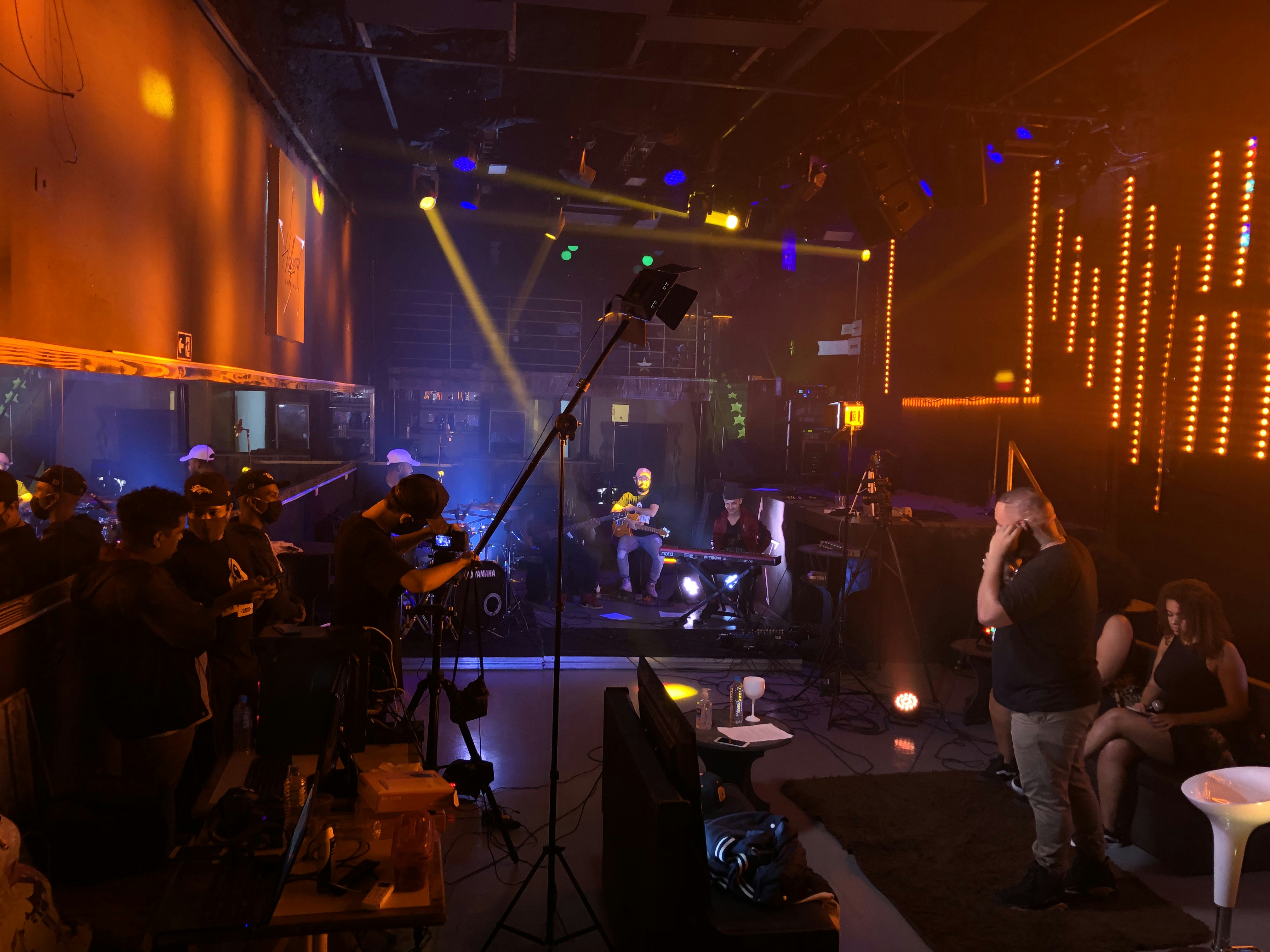
The Transformation of the Music Industry
The music industry has undergone a profound transformation over the past two decades, driven predominantly by the advent of digital technology and the rise of streaming services. This shift has not only altered how music is produced but has also redefined its marketing and consumption dynamics. The traditional model, which heavily relied on physical sales of CDs and vinyl records, has largely given way to a digital-first approach, wherein listeners now access music through various online platforms.
Digital technology has empowered both musicians and listeners. Musicians can produce high-quality recordings without the necessity of costly studio time, thanks to advancements in software and affordable equipment. This democratization of music production provides independent artists with the tools to create and distribute their work without reliance on major labels. Furthermore, social media platforms have become vital for music promotion, enabling artists to engage directly with their audience, showcase their creative processes, and build dedicated fan bases.
Streaming services such as Spotify, Apple Music, and YouTube have revolutionized the consumption habits of listeners. Consumers now prefer the flexibility of streaming music on-demand, allowing them to explore an extensive library of songs without the financial commitment of purchasing individual albums or tracks. This shift presents both opportunities and challenges for artists, as traditional revenue streams have diminished. While streaming platforms provide exposure to millions of listeners, the compensation model typically offers smaller payouts per stream, which can make it difficult for artists to earn a sustainable income.
In addition, this new landscape encourages a shift in focus towards concerts and merchandise sales as alternative revenue streams. Artists are increasingly reliant on touring and live performances for financial viability. Overall, the transformation of the music industry has fostered an environment ripe with opportunities for artists, but it also brings about new challenges that require adaptability and innovation in this digital age.
Current Challenges Facing Artists
In the contemporary music business, artists confront a myriad of challenges that threaten their well-being and artistic integrity. One pressing issue is the question of fair compensation. With the rise of digital streaming platforms, many artists find that their earnings per stream are alarmingly low. This reality often leads to a struggle for financial sustainability, particularly for independent musicians who rely heavily on streaming for revenue. Moreover, revenue discrepancies between major labels and independent artists exacerbate this challenge, raising concerns about equitable compensation throughout the industry.
Another critical challenge pertains to the ownership of music rights. Various contracts often favor record labels, leaving artists with minimal control over their creative works. This has significant ramifications; artists may find it difficult to monetize their music, leading to feelings of disenfranchisement and frustration. In an era where music is easily shared and distributed online, the lack of clear rights ownership can result in further complications, such as unauthorized use of one’s work, potentially impacting the artist’s brand and revenue streams.
Additionally, the digital landscape has created an overwhelming pressure for artists to engage in self-promotion. The prevalence of social media and digital marketing means artists must not only focus on their craft but also actively cultivate their online presence. This can lead to mental health challenges, including stress and anxiety, as artists strive to stand out in an increasingly crowded and competitive marketplace. The need for constant visibility can detract from their creative processes, causing emotional burnout and dissatisfaction.
To navigate these obstacles, fostering a supportive ecosystem becomes essential. This includes advocating for fair compensation models, ensuring transparency in music rights ownership, and addressing the mental health implications of promotional demands. Strengthening support structures for artists is crucial to empowering them in today’s evolving music landscape.
Innovative Solutions for Artist Support
In the rapidly evolving landscape of the music industry, it has become increasingly crucial to develop innovative solutions that prioritize the welfare of artists over traditional business models. One of the most promising strategies is the implementation of alternative business models that focus on direct artist-to-fan engagement. Platforms such as Bandcamp and Patreon have emerged as effective tools, allowing musicians to retain a larger share of their earnings while fostering a more personal connection with their audience.
Technology plays a pivotal role in artist empowerment by offering musicians new avenues for revenue and exposure. The rise of social media platforms has enabled artists to promote their work independently, bypassing the need for traditional labels and their often exploitative contracts. Services like Twitch and YouTube also provide alternative streams of income through live performances and content monetization, effectively diversifying revenue sources for artists.
Moreover, organizations and initiatives focused on fair pay and stronger representation for musicians are gaining traction. Programs such as the Music Artists Coalition and the Fair Music Coalition advocate for equitable compensation structures and aim to educate artists about their rights. These organizations strive to establish industry standards that support creative individuals, thereby enhancing their bargaining power within the sector.
Case studies abound highlighting successful initiatives that empower artists. For instance, the American Association of Independent Music (A2IM) provides resources tailored for independent musicians, helping them navigate the complexities of the music business while securing better financial outcomes. Such organizations play an essential role in redefining industry norms and fostering an environment where artistic integrity and commercial success can coexist.
As the music business continues to evolve, it is imperative that innovative strategies for artist support remain at the forefront of discussions, ensuring that musicians can thrive in an equitable and sustainable manner.
The Future of the Music Business
The music business is poised for significant transformations driven by changes in technology, consumer behavior, and the evolving relationship between artists and their audiences. As we venture further into this digital age, trends indicate a shift towards more artist-centric models that prioritize the needs and interests of musicians over traditional industry structures. Artists are increasingly empowered to take control of their careers through various platforms, allowing them to connect directly with fans and monetize their work without relying solely on record labels.
One of the critical changes anticipated in the music business is the continued growth of streaming services, which have revolutionized how consumers access music. As audiences embrace on-demand listening experiences, the importance of personalized content is paramount. Technologies such as artificial intelligence will likely predict listening habits, enabling services to tailor recommendations, enhancing the discovery of emerging artists. This trend will create opportunities for musicians to reach niches they might not have accessed through conventional channels.
Artist management will also evolve, leaning towards collaborative models where stakeholders—including managers, producers, and marketing teams—join forces to support musicians holistically. This collaborative approach could pave the way for innovation in marketing strategies, tour planning, and fan engagement, based on shared goals of sustainability and artist well-being. In fostering these collaborations, a community-centric environment is encouraged, where the input of fans and industry professionals alike drives the direction of an artist’s career.
Moreover, diversity in music genres and cultural expressions is likely to flourish as global platforms like social media facilitate cross-border interactions. This could lead to a richer variety of musical experiences that reflect a wider array of cultural narratives, catering to an increasingly global audience. As the music business navigates these changes, it is imperative that all stakeholders, including artists, industry players, and fans, work together to cultivate an environment that champions creativity, supports artists financially, and respects their autonomy.